
Blog
Anti-Odor Socks in Bangladesh: What Actually Stops the Smell

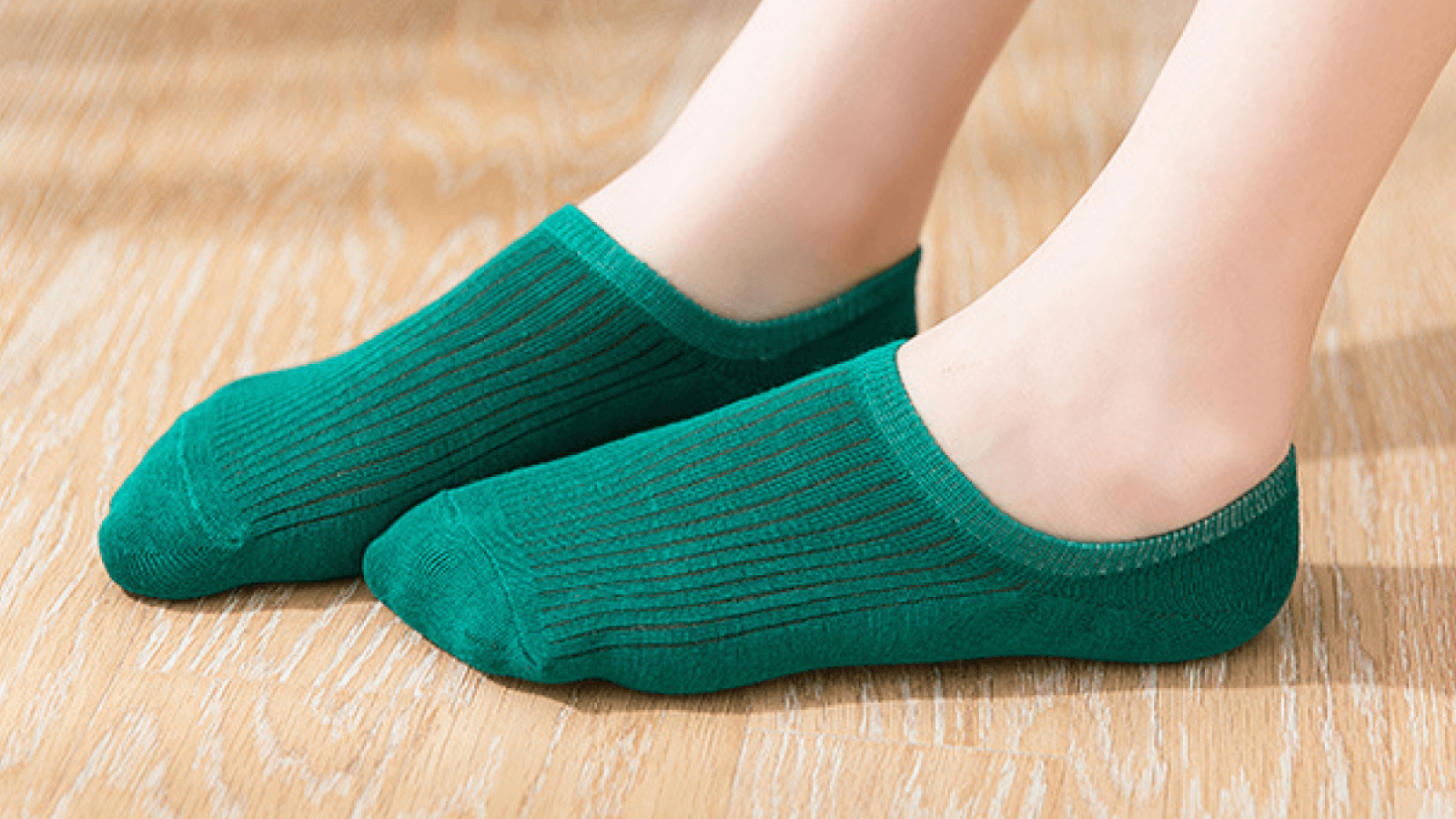
Short answer: Sweat has no smell. Bacteria feeding on sweat do. Polyester socks host more of the specific bacteria that produce that smell, so switching to combed cotton socks or a cotton blend does more than any hygiene routine. Fit and drying time matter almost as much as the fiber.
I started Kozy Fashion because of this exact problem.
Before this, I worked on several other products, and in every one of them I found the same gap. Nobody was solving the customer’s actual problem. With socks it was obvious. Every brand here treats socks as an inner item, something nobody sees, so nobody bothers with the design or the material. They push the cost down with polyester. Then your feet smell and itch after a few uses.
I spent a long time with suppliers and mills working out what actually causes that, and what stops it. This is what I learned.
Why Feet Sweat More in Bangladesh
Two things work against you here. Neither one is hygiene.
The first is humidity. In Dhaka, relative humidity climbs to around 83% in June and stays high through September, against a low of about 61% in March. Sweat cools you by evaporating. When the air is already close to saturated, evaporation slows down. Moisture that would dry off your skin in a dry country simply sits there.
The second is closed shoes. Office shoes, school shoes, sneakers for a long commute. All of them trap that moisture at body temperature. You have made a warm, damp, closed box around your foot. Bacteria handle the rest.
This is where most sock advice fails readers here. Almost every guide you find online frames foot odor as a gym problem, because it was written for a Western audience. In Bangladesh, the bigger cause is eight to ten hours a day in closed shoes during monsoon season, whether you exercise or not. A banker in Motijheel and a footballer end up with the same problem for completely different reasons.
The Smell Is Not Sweat. It Is Bacteria.
Fresh sweat is close to odorless. The fatty acids in it are too large to become airborne. Bacteria on your skin break those large molecules into smaller ones, and the smaller ones are what your nose picks up.
Which bacteria show up depends on the fabric. This is the part that changed how I think about sourcing.
Researchers at Ghent University collected t-shirts from 26 people after an hour of intense spinning, incubated them for 28 hours, then had a trained odor panel assess them. The polyester shirts scored significantly worse than the cotton ones on both intensity and unpleasantness. When the team sequenced the bacteria, they found Micrococcus species had colonized the polyester specifically. Micrococci are known odor producers, and they are not even a dominant species on human skin. They grow on the fiber itself.
So this is not only a question of how much moisture a fabric holds. Synthetic fiber gives certain odor-producing bacteria a surface they prefer. That is why a cheap polyester sock can turn sour in a few hours while a cotton sock worn the same day does not.
There is a second finding worth knowing. A later study on fiber hydrophobicity showed that bacteria inside textiles form biofilms that normal washing struggles to remove. Once a sock has been through enough cycles of sweat and cold-water washing, the smell comes back the moment your foot warms it up. If you own a pair that smells fine in the wardrobe and sour by noon, that is what is happening. That pair is finished.
Fiber Comparison for a Humid Climate
| Fiber | Moisture handling | Odor risk | Dry speed | Best for |
|---|---|---|---|---|
| Combed cotton | Absorbs well, breathes | Low | Moderate | Office, school, daily wear |
| Cheap polyester | Poor absorption | High | Fast | Almost nothing in this climate |
| Cotton and polyamide blend | Good, stays light | Low to moderate | Fast | Football, sports, long walks |
| Bamboo viscose | Very high absorption, soft | Low to moderate | Moderate | Daily wear, sensitive skin |
| Wool | Excellent, odor resistant | Very low | Slow | Not practical for Bangladesh |
I put wool on the list because it is honestly the best fiber for odor resistance. It is also completely wrong for a country where you rarely need it. I would rather show you the full picture than a comparison rigged in my favor.
The Bamboo Claim I Am Not Going to Make
You will see this on almost every bamboo socks listing in the market: “naturally antibacterial.” I am not going to say it about my own products, and I want to explain why.
Raw bamboo does contain a natural antimicrobial compound. But nearly all bamboo fabric sold anywhere is bamboo viscose, made by chemically dissolving bamboo pulp and regenerating it into fiber. The US Federal Trade Commission’s position is that rayon made from bamboo retains neither the antimicrobial properties nor the biodegradability of the plant, because the chemicals used to dissolve the material destroy those compounds. The FTC has taken enforcement action over this exact claim, including penalties against Kohl’s and Walmart in 2022.
So what do bamboo fiber socks actually give you? Two real things. Bamboo viscose absorbs more moisture than cotton, and it is noticeably softer against skin. In our climate, high absorption plus a smooth feel is a genuinely good combination for daily wear. That is a smaller claim than “antibacterial.” It is also one I can defend.
If a bamboo sock does resist bacteria, it is because of an antimicrobial finish applied during production, not because of the plant. Any brand should be willing to tell you which one it is.
Why Our Football Socks Are Not Pure Cotton
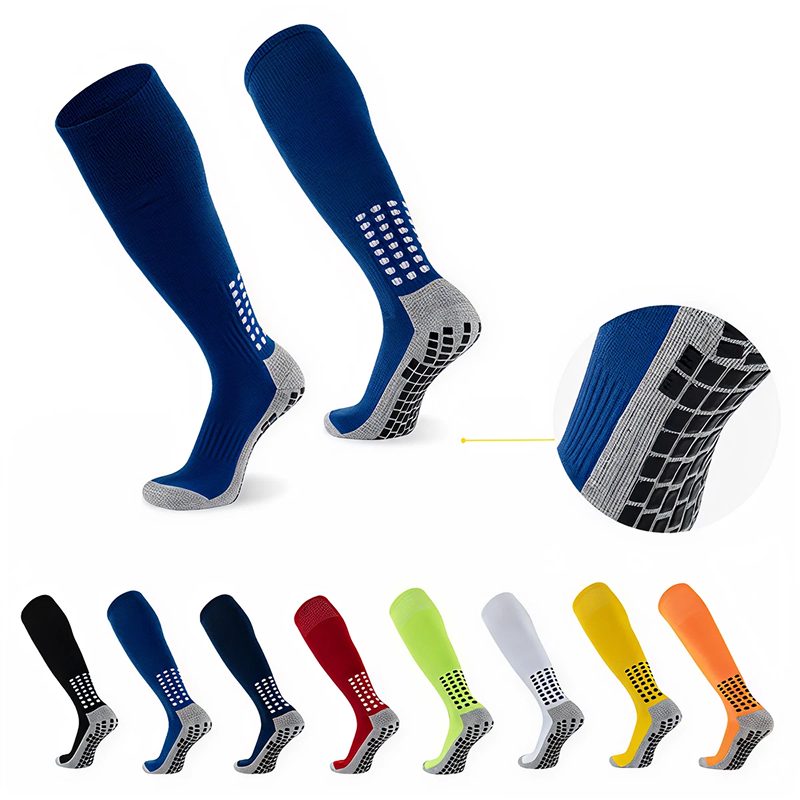
Cotton is not the right answer for every situation, and I learned this the hard way.
Cotton absorbs almost eight times its own weight in water. In a football sock that is a problem, not a feature. The sock gets heavy, it stays wet through the whole match, and then it starts rubbing. Blisters follow.
So we blend polyamide into our sports and football socks. Cotton still handles the moisture. Polyamide keeps the sock light and helps it dry between wears. Anyone selling you a 100% cotton football sock has not worn one for ninety minutes in May.
Most of the rest of our range is combed cotton with anti-odor construction. Some products we make in Bangladesh, a few we import from China where we cannot match the quality locally yet. I want to get to 100% local manufacturing, and I would rather say that plainly than pretend we are already there.
Fit Matters More Than People Think
Fiber gets all the attention. Fit quietly ruins socks that would otherwise be fine.
A sock that is too tight compresses against your foot and cuts airflow. A sock that is too loose bunches up and creates friction points that stay damp. Thick terry cushioning feels great in the shop and holds water all day in July. For a Dhaka summer, a thinner pair of breathable socks with a proper heel pocket will beat a plush one almost every time.
Check the heel before you buy. If a sock has no shaped heel, it will rotate on your foot through the day, and the wet patch moves with it.
Match the Sock to Your Day
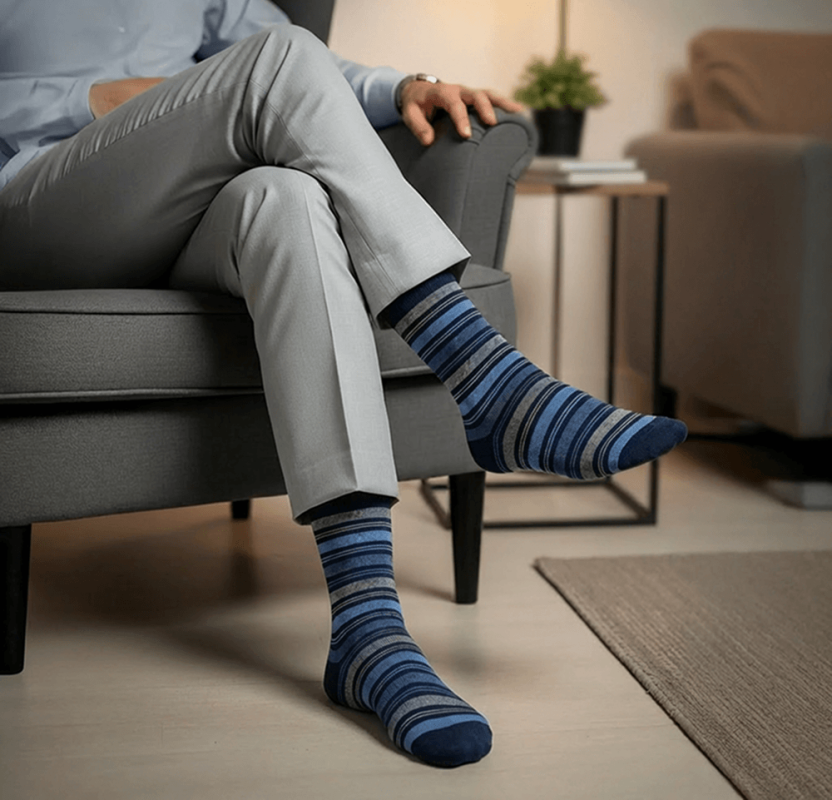
Office and daily commute. Long hours in closed leather shoes. You want breathability over cushioning. Our formal cotton socks for men are built in combed cotton for a full working day.
Football and sports. Cotton and polyamide, not pure cotton, for the reasons above. Our football and sports socks are made to stay light once they are wet.
Women’s daily and formal wear. Ankle and no-show styles create their own problem. Less fabric means less absorption inside the same shoe. Fiber quality matters more here, not less. See our cotton socks for women.
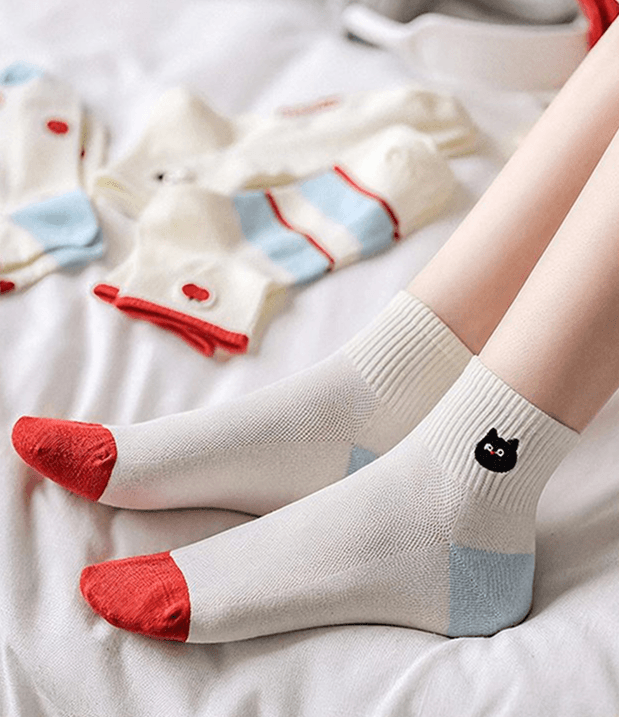
Everyday soft wear. For the highest moisture absorption and the softest feel, our premium bamboo socks are the pick.
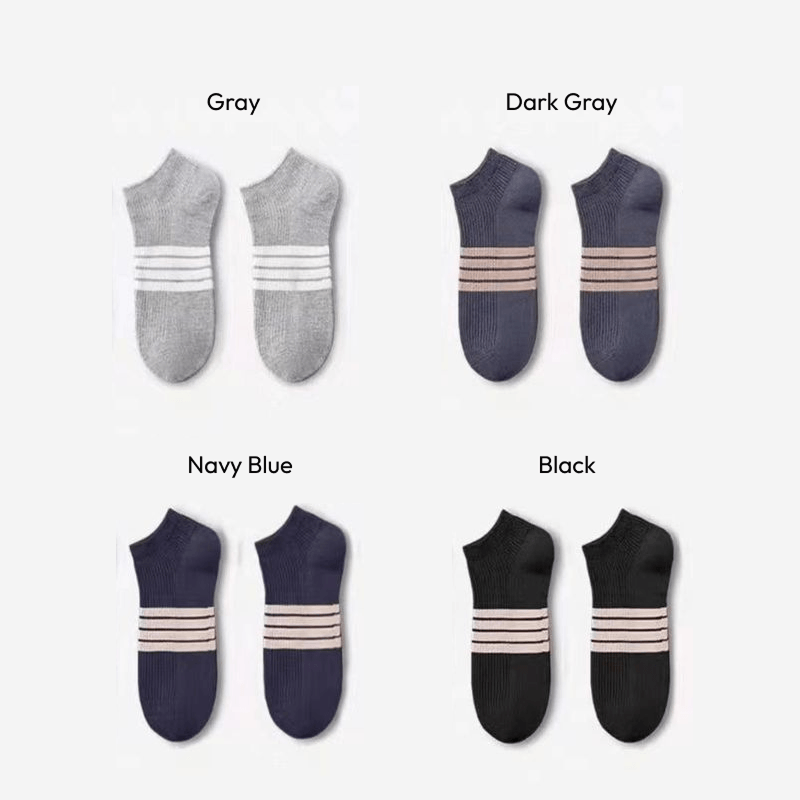
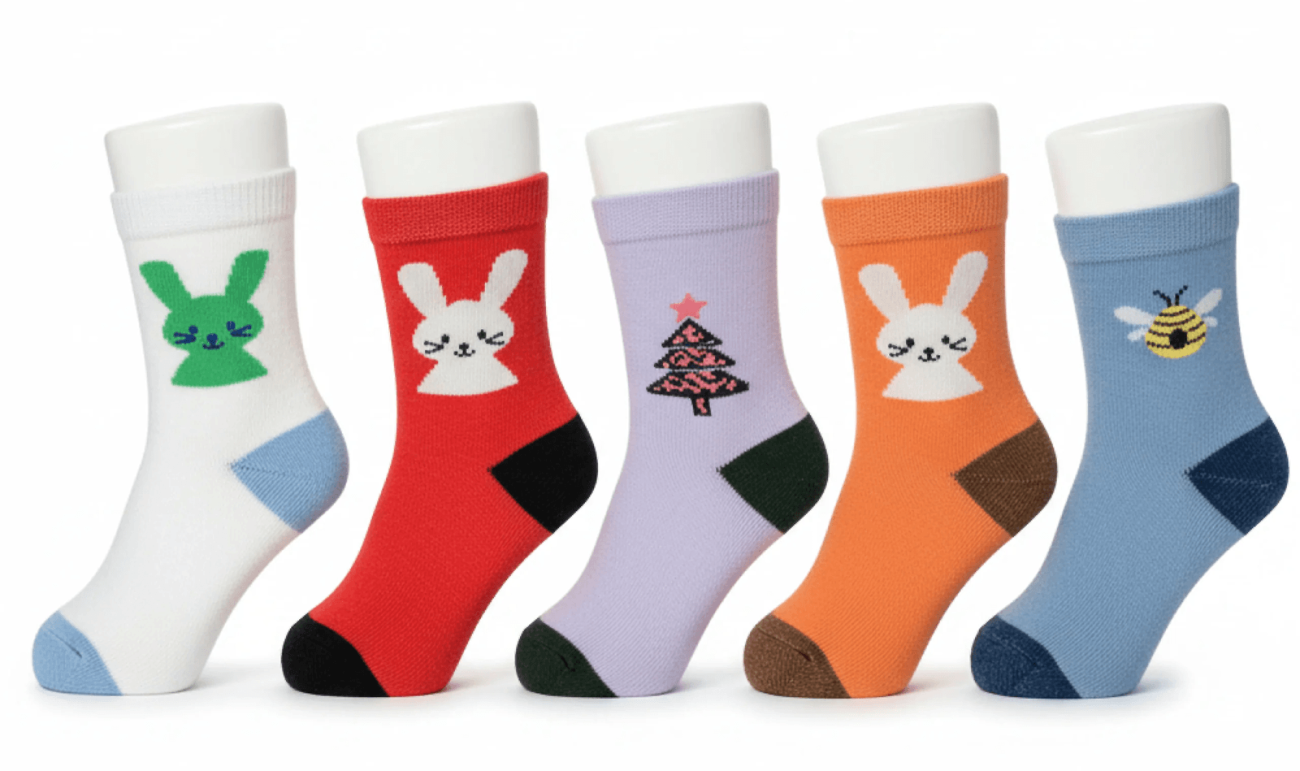
School kids. Children are in closed shoes as long as adults, often longer, and they will not mention it. Our kids’ socks use the same anti-odor cotton, sized down.
Is the Price Difference Worth It?
A cheap polyester pair costs less on day one. It also thins out faster, and once biofilm has set into the fabric, no amount of washing brings it back. Most people bin those pairs inside two months.
A well-made pair of cotton or bamboo socks survives more washes and stays wearable longer. Divide the price by the number of times you actually wear it and the gap gets small. Sometimes it flips.
You are not only paying for comfort. You are paying to stop buying socks four times a year.
How to Keep Socks From Turning
- Rotate at least two pairs of shoes so each pair dries fully between wears
- Change socks midday if you are out for long hours between June and September
- Wash hot occasionally instead of always cold, because cold washing leaves bacterial biofilm behind
- Dry socks fully in sun or open air before storing them, never slightly damp
- Skip fabric softener, which coats the fiber and cuts absorption
- Retire a pair once the smell returns straight after washing, because at that point it is not coming out
Common Questions
What is the difference between antibacterial socks and anti odor socks?
Antibacterial socks use a fiber or a finish that slows bacterial growth directly. Anti odor socks manage moisture so bacteria have less to feed on. A good sock does both. The label alone tells you almost nothing, so check which fiber and which finish are actually used.
Are cotton socks good for sweaty feet?
For daily wear in this climate, yes. Combed cotton absorbs moisture, breathes, and hosts fewer of the odor-producing bacteria that colonize polyester. For sustained activity, a cotton and polyamide blend performs better, because pure cotton gets heavy once it is saturated.
Do bamboo socks stop smell?
Bamboo viscose absorbs moisture very well, which reduces odor indirectly. The claim that bamboo fabric is naturally antibacterial is not supported once the plant has been chemically processed into viscose. Treat “naturally antibacterial” on a bamboo listing as marketing, not a specification.
Why do my feet smell more during monsoon?
Higher humidity slows evaporation, so moisture stays on your skin and in the fabric longer. Longer wet time means more bacterial activity. The fix is faster-drying fiber, a second pair of shoes in rotation, and a midday sock change on the worst days.
How often should I replace my socks?
When the fabric thins at the heel or toe, or when the smell comes back immediately after washing. For daily-wear cotton socks, most people get six to twelve months per pair depending on rotation.
What I Would Tell a Friend
Foot odor in Bangladesh comes down to humidity, hours in closed shoes, and the bacteria that synthetic fiber happens to favor. It is not a hygiene failure and it is not your fault. Change the fiber, get the fit right, dry your socks and your shoes properly, and the problem mostly disappears.
That is the whole reason Kozy Fashion exists. Socks should be treated as a product worth designing, not as a cheap inner item nobody thinks about.
Have a look at the full Kozy Fashion range and pick by what your day actually looks like.
 No-Show/Loafer
 Ankle
 Long Socks
 Semi-Long